Design for AI Experience
Jan 20, 2026–May 1, 2026
Faculty: Zhenzhen Qi, Dan Pejril
This project based studio course explores the intersection of historical narrative, artificial intelligence, and experiential design. Guided by the course instructors, students will collaborate with the Bushnell Center for the Performing Arts to create an interactive installation centered on Warriors Don’t Cry, Dr. Melba Pattillo Beals’s memoir of her experience as a member of the Little Rock Nine desegregating Little Rock Central High School during the Civil Rights Movement. The project involves creating a 3D-modeled digital avatar of Dr. Beals and connecting it to a large language model (LLM) to facilitate real-time conversation and learning. Students will be challenged to design meaningful interactions for two distinct audiences: general museum visitors engaging in deep, empathetic dialogue and K-12 learners interacting through gamified, educational experiences. This course is a unique opportunity to produce a real-world application that redefines how history is preserved, presented, and engaged with in public and educational spaces.
Prerequisites: Open to college seniors and graduate students. Prior background in one or more of the following fields: 3D modeling & rigging, REST API integration, dynamic web development (JavaScript, Node.js), interaction design, game design, or educational design.
Scope of Project
The scope of this project is the development of Conversational AI and Assessment Systems. The product of this work will be an AI chatbot platform for K-12 learners as part of Bushnell’s educational vision. The primary task will be to support questions and answers in some historical context. The target populations include students that are chronically absent, incarcerated, enrolled in underserved public schools or homeschools.The AI chatbot should: be capable of conversing with students and answer questions related to the areas of instruction support and integrate with evaluation frameworks censor itself when the student makes requests unrelated to the educational materials be customizable for different virtual agents be customizable for different student learning types
Additional Design Objective
Collaborative Civic Visioning & Agentic Hero Synthesis
To empower young learners to transition from reflecting on historical "warrior spirits" to actively constructing a collective, contemporary "Hero Bot" designed to address the most pressing social and environmental issues of their generation. This objective focuses on civic agency, multimodal creativity, and the collaborative training of a student-led AI model.Contemporary Narrative Extension
Facilitate a guided transition where historical personas—such as Dr. Melba Pattillo Beals—challenge students to apply the lessons of the past (e.g., courage in the face of fear) to modern crises. The bot will serve as a mentor that guides students to envision a leader capable of solving current challenges, such as systemic inequality or climate change.Multimodal Collective Training
Design a framework where students supply diverse artifacts, including drawings, creative writing, and music, to define the identity and values of a new virtual hero. These inputs will serve as a collective "training set" to shape the bot’s persona, voice, and purpose.Agentic AI Implementation
Utilize Agentic AI principles to ensure the resulting contemporary hero bot is not merely conversational but "tool-capable," helping students brainstorm and organize real-world actions or social justice projects.Democratic Design & Ownership
Implement a "transfer of ownership" model where the students move from being passive consumers of historical data to active architects of AI. The final product will be a collectively made virtual AI bot hero that reflects the shared priorities and creative contributions of the classroom.Ethical Synthesis
Guide students through the ethical challenges of creating a representative hero, ensuring the bot's synthesized knowledge is inclusive, avoids bias, and remains focused on positive social outcomes as defined by the student bodySelected Game Chapters
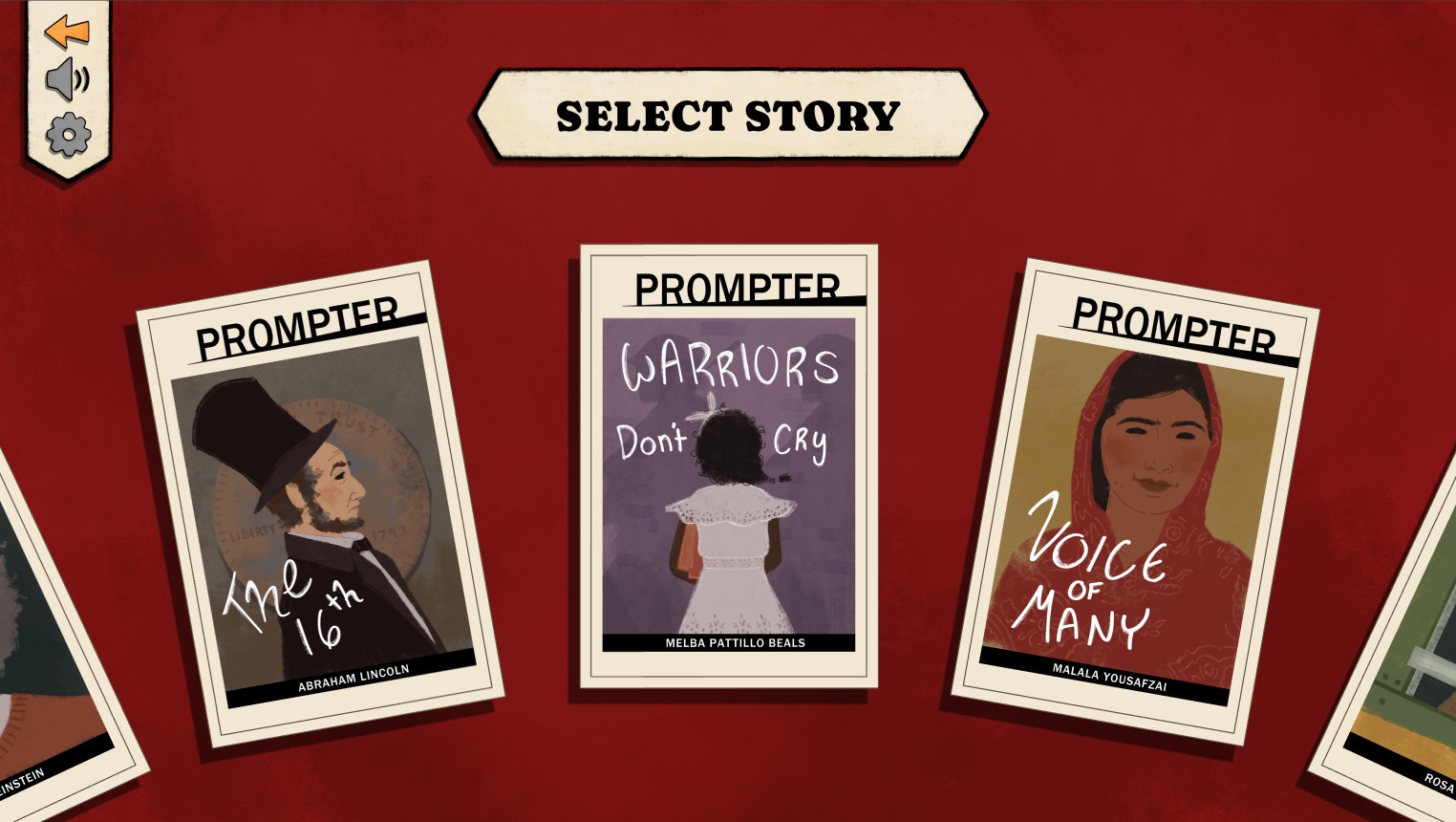 Main Navigation Landing Page
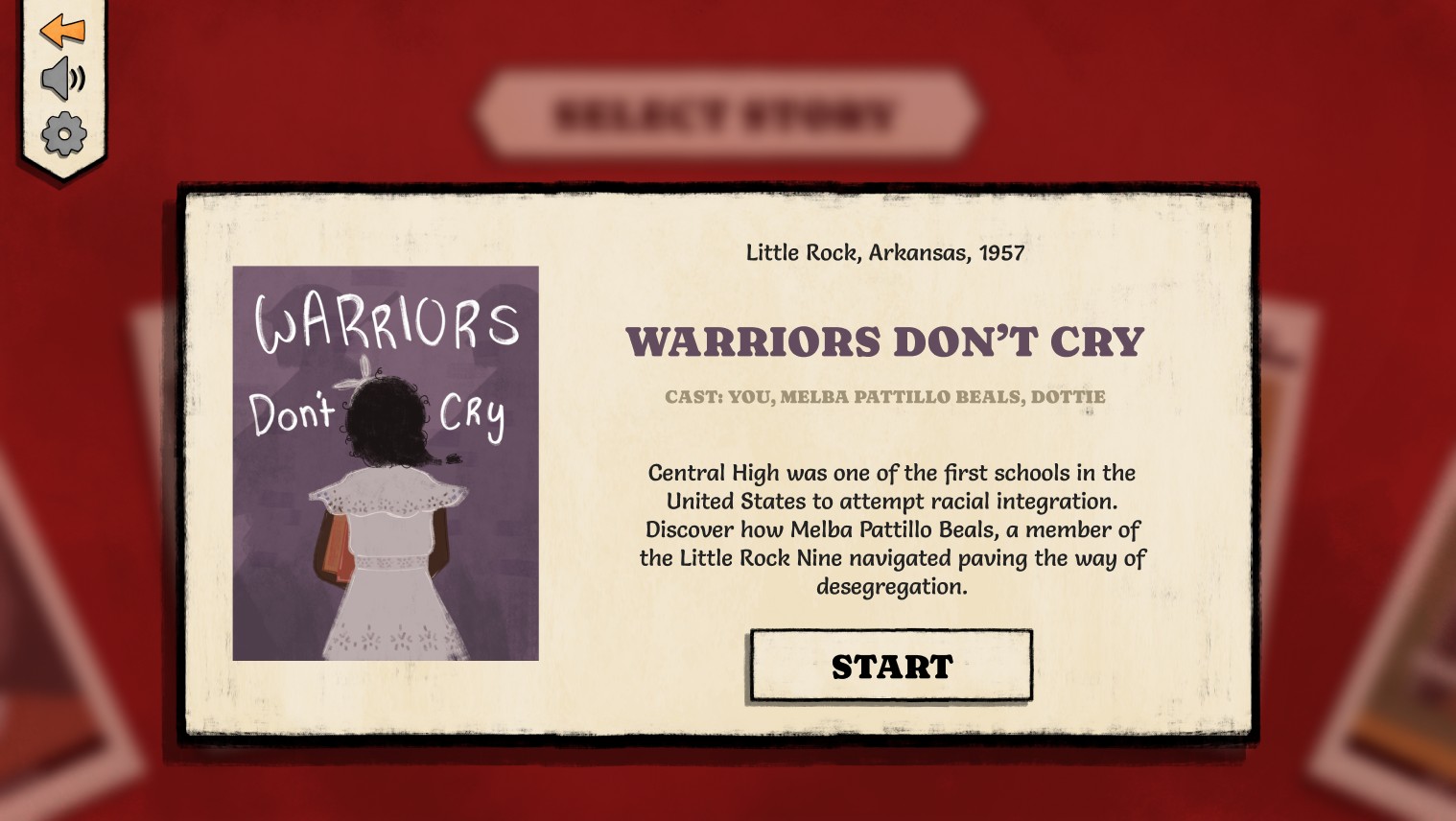 Individual Game Landing Page
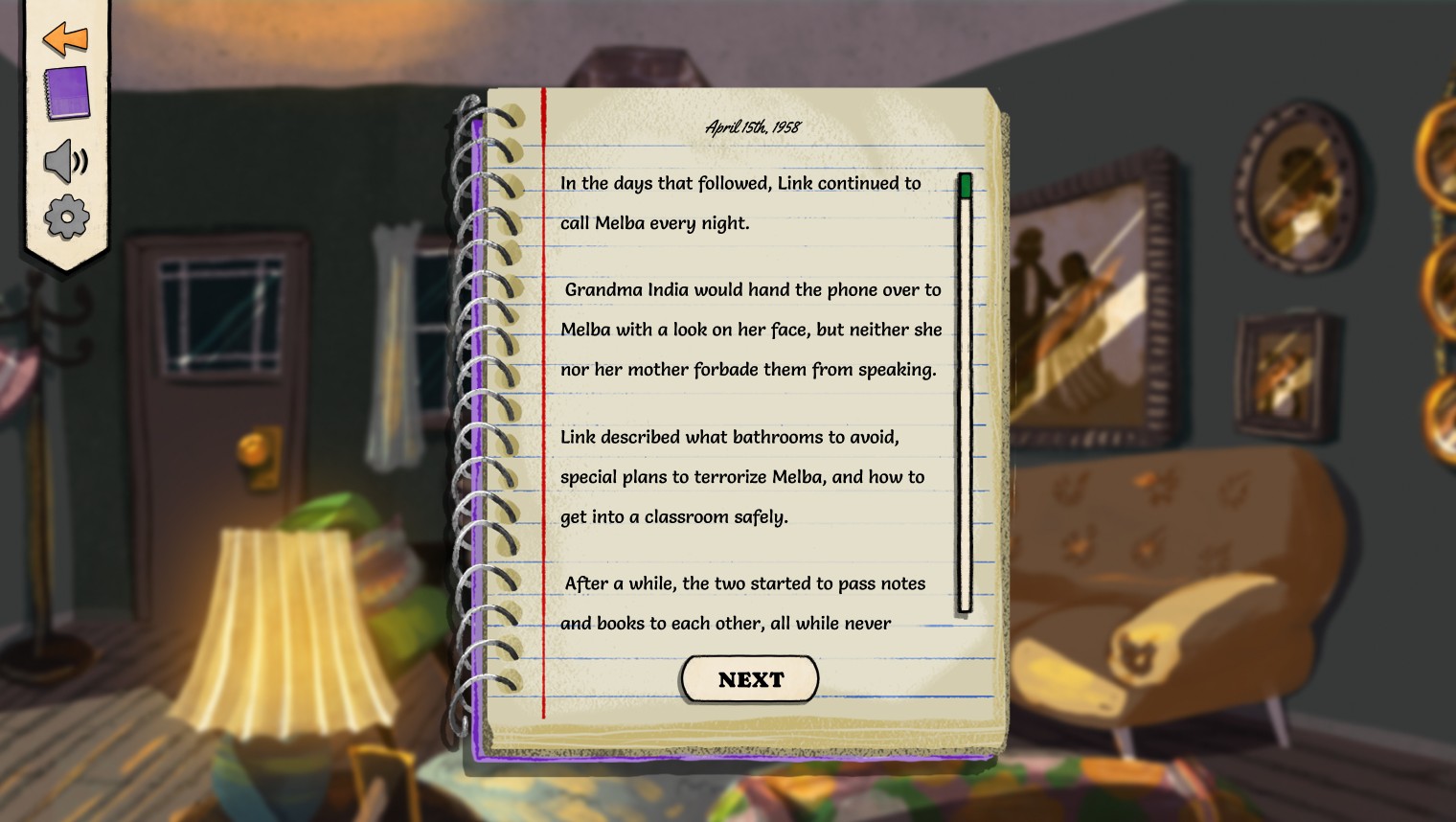 Text Adventure Narrative
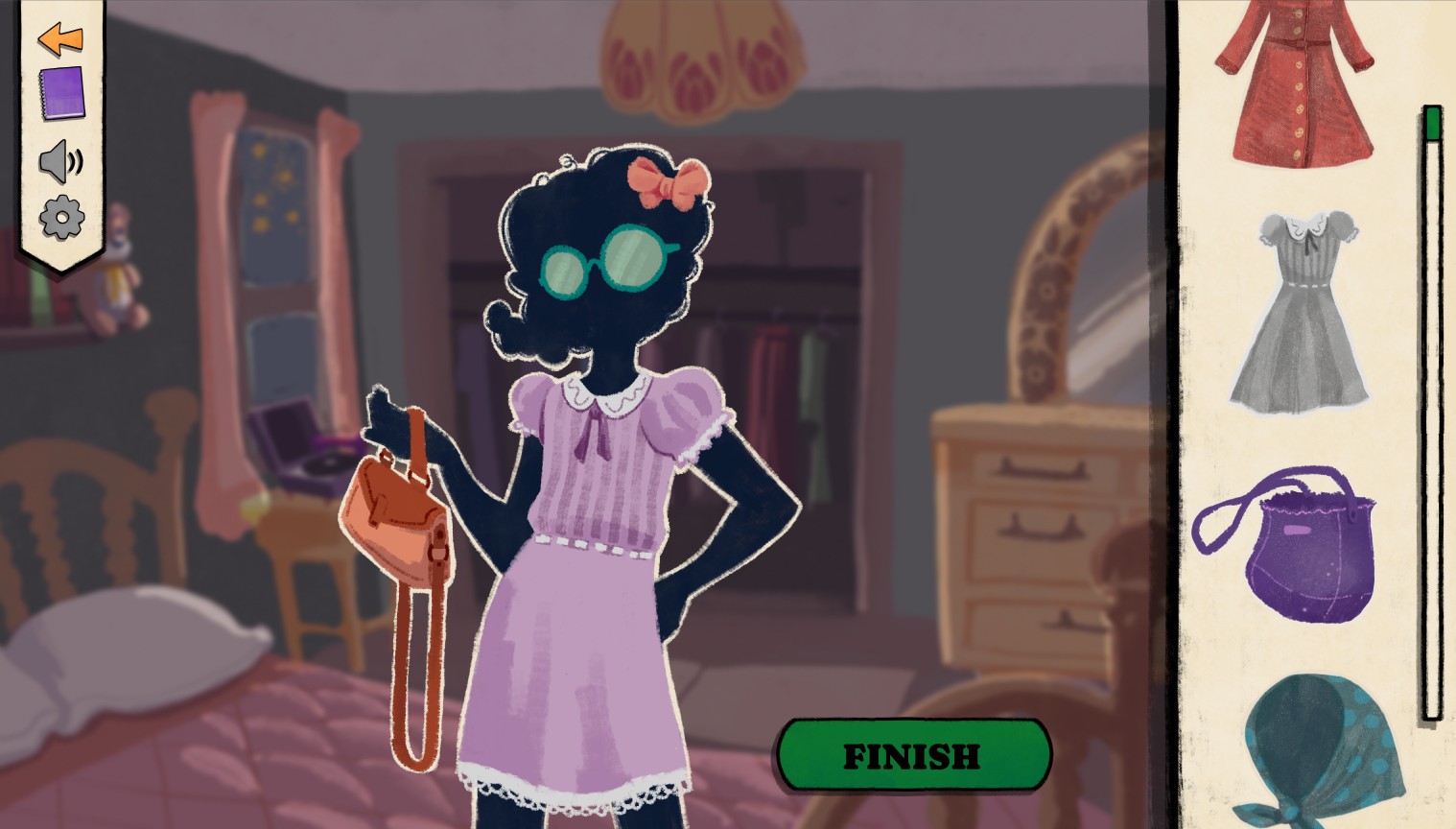 Mini Game
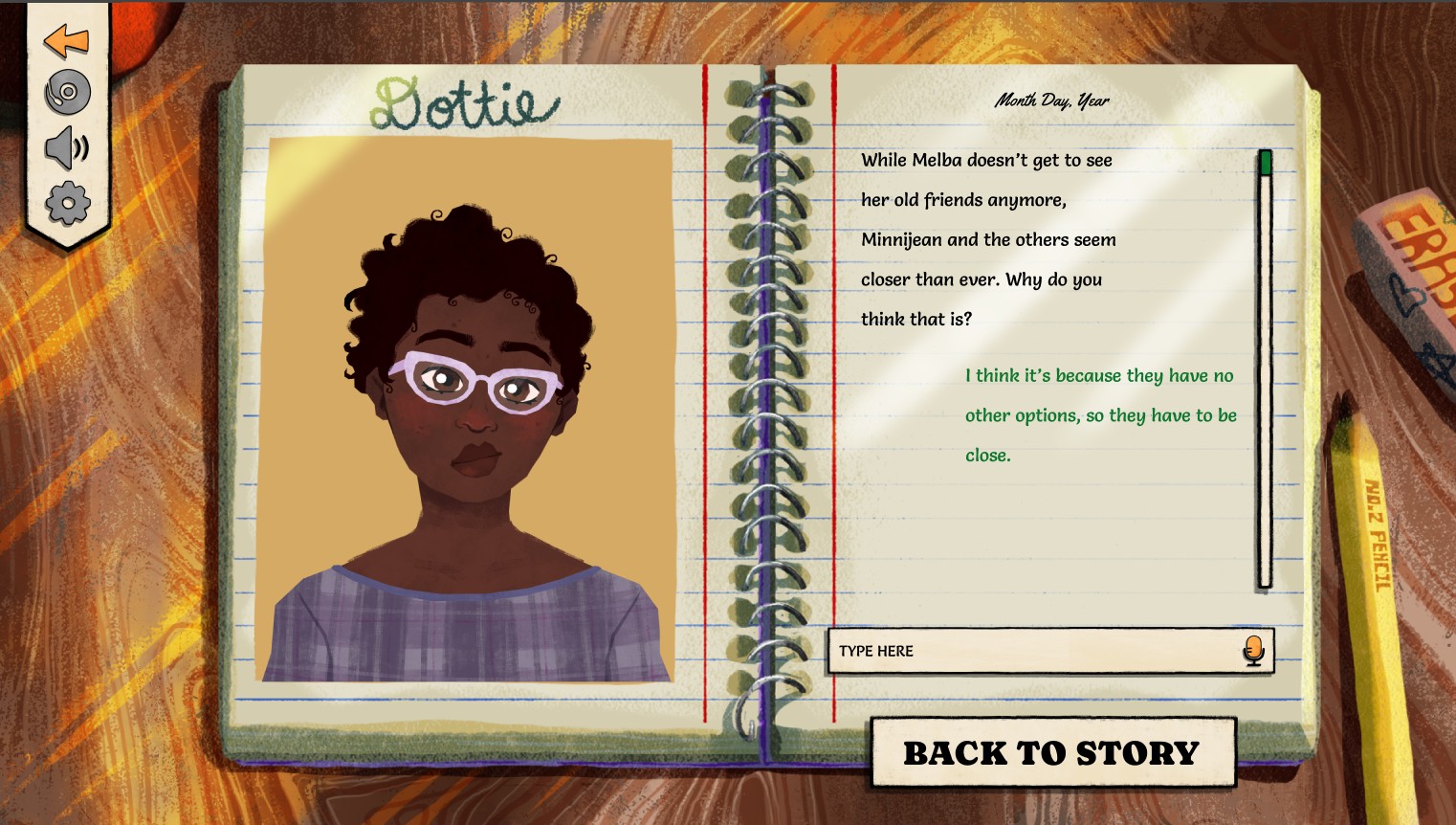 2D AI mentor Chat Screen
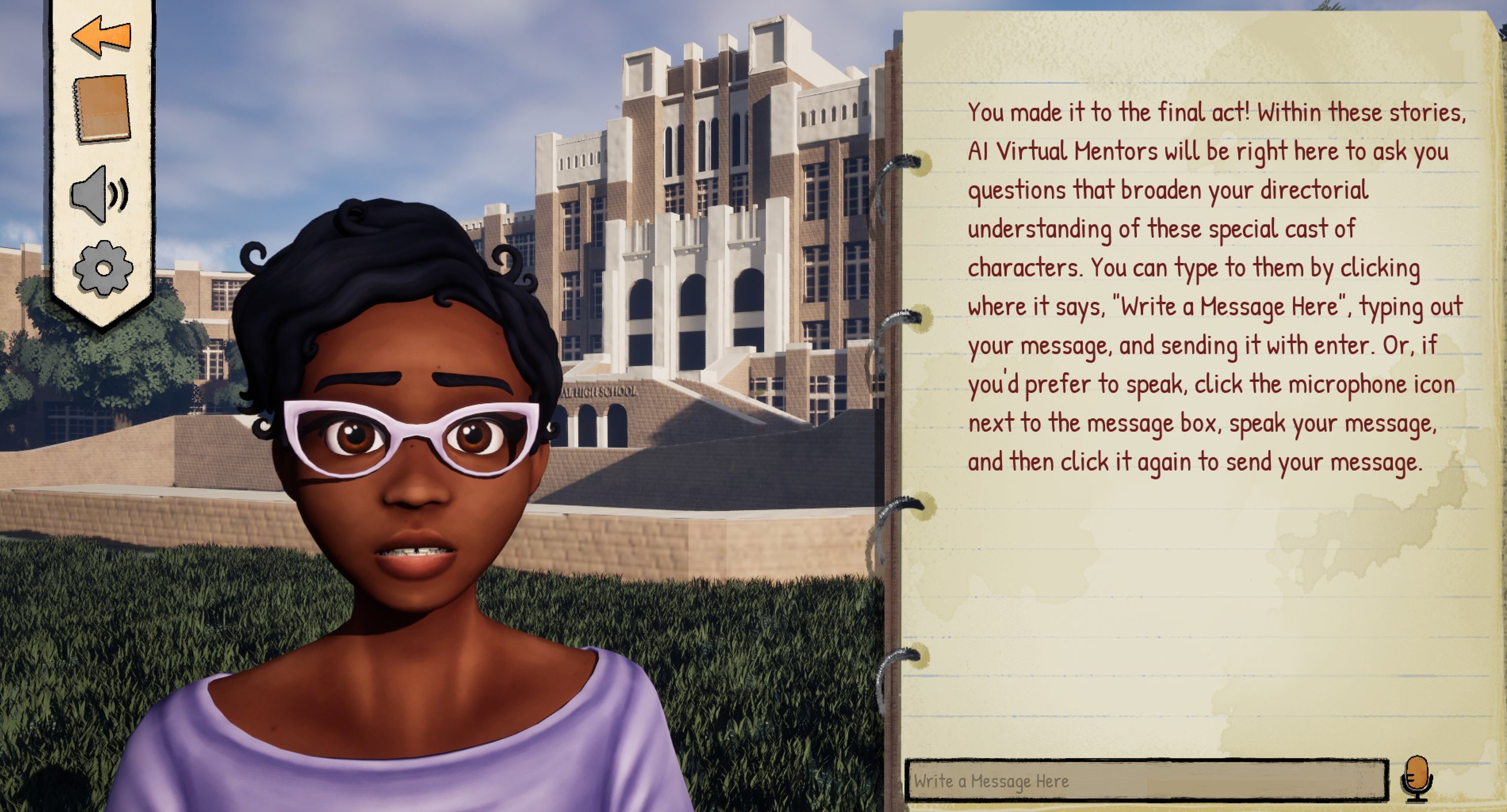 3D AI mentor Chat Screen