Disruptive Technologies
Jan 21 - May 2, 2025
Faculty: Zhenzhen Qi
Course Objectives
By the end of the course, students should have achieved the following objectives:
- Establish a foundation in designing for Extended Reality and the practical skills to create immersive XR experiences, along with the ability to articulate their research goals and engage with the broader field of media art and design.
- Gain a fundamental understanding of Extended Reality in the context of interactive storytelling by exploring the work of new media artists, designers, and technologists, and examine various arts, cultural, and technology platforms in the context of XR and digital media.
- Develop technical skills in interactive narrative creation in the context of XR. Gain practical experiences on software tools such as Lens Studio, Vuforia Unity, Blender, and other 3D modeling environments to create XR content.
- Develop a comprehensive XR project of your choice, and learn to document and present your XR projects effectively, including project proposals, inspirations, research, processes, and final project presentations.
Graduate Level: At the graduate level, students will develop a research statement that clearly defines their research goals and intentions within the field of interactive media art and design. This statement will serve as a foundation for academic and professional pursuits, and it will engage with major international art and technology awards, platforms, and opportunities to situate their work within the broader contemporary landscape.
Textbooks
All reading materials will be made available via hyperlinks through this syllabus via Weekly Agenda section, under the weeks when they are assigned. Students are welcome to compliment assigned readings with additional reading materials based on individual interests, but it is not required.
Design Fundamentals
Rules of Play: Game Design Fundamentals (The MIT Press) – September 25, 2003, by Katie Salen Tekinbas and Eric Zimmerman
New Media and Game Theory
Manovich, L. (2001). The Language of New Media. Cambridge, Mass: MIT Press. (Access)
Boluk, S., & Lemieux, P. (2017). Metagaming: Playing, Competing, Spectating, Cheating, Trading, Making, and Breaking Videogames. University of Minnesota Press. https://doi.org/10.5749/j.ctt1n2ttjx
A playful and provocative call to stop playing video games and begin making metagames
Metagaming uncovers alternative histories of play by exploring the strange experiences and unexpected effects that emerge in, on, around, and through video games. One of the only books to include original software alongside each chapter, Metagaming transforms video games from packaged products into instruments, equipment, tools, and toys for intervening in the sensory and political economies of everyday life.
Experimental Game, Patrick Jagoda
In our unprecedentedly networked world, games have come to occupy an important space in many of our everyday lives. Digital games alone engage an estimated 2.5 billion people worldwide as of 2020, and other forms of gaming, such as board games, role-playing, escape rooms, and puzzles, command an ever-expanding audience. At the same time, “gamification”—the application of game mechanics to traditionally nongame spheres, such as personal health and fitness, shopping, habit tracking, and more—has imposed unprecedented levels of competition, repetition, and quantification on daily life. Drawing from his own experience as a game designer, Patrick Jagoda argues that games need not be synonymous with gamification. He studies experimental games that intervene in the neoliberal project from the inside out, examining a broad variety of mainstream and independent games, including StarCraft, Candy Crush Saga, Stardew Valley, Dys4ia, Braid, and Undertale. Beyond a diagnosis of gamification, Jagoda imagines ways that games can be experimental—not only in the sense of problem-solving, but also the more nuanced notion of problem making that embraces the complexities of our digital present. The result is a game-changing book on the sociopolitical potential of this form of mass entertainment.
Anti-Computer, Alex R. Galloway
http://cultureandcommunication.org/galloway/anti-computer
Additional Learning Resources
- Vuforia official tutorial channel
- Snapchat official tutorial channel
- Oculus Quest tutorial
- Platforms that feature interactive experiences: itch.io and Steam
- Game Maker’s Toolkit, a YouTube game design tutorial channel
Technology Use
Software
We will use a selection of the following media software throughout the semester: Vuforia, Unity, Blender, alternative 3D modeling environment of your choice.
Digital Media Lab
If you need to access the desktop for project development purposes, please email your name and student ID number to Mike Vertefeuille at michael.vertefeuille@uconn.edu, so we can activate your student ID affording you access to Media Lab spaces. With enrollment in this class, your student ID will allow you access to the Digital Media Labs. These labs are very expensive to construct and maintain and we depend upon you to help maintain the integrity and security of the labs. Following are important points for which we request your support and compliance:
- Please immediately notify your faculty members if there is a problem with any of the technology or software systems.
- When you swipe in with your card, your entry is recorded facilitating our ability to monitor who is in the labs when. Please do not allow access to students who are not enrolled in your class.
- Please do not open the windows or outside doors as this creates a security threat to the equipment in the lab.
VR Gaming Studio
As part of our ongoing research in the development of interactive experiences and applications for virtual and mixed reality software, this full-sized gaming play space and lab is equipped with a VR-ready PC, three HTC Vive headsets, two Oculus Rift headsets, two Leap Motion hand controllers, and Arduinos that connect via plugin to the Unity3d development environment, all available for students. An additional user research booth, equipped with cameras, gives students access to modern consoles, an archive of digital games to research, and space to conduct user tests. There are also hundreds of videogames accessible via DMD Steam account installed on the desktop computer. For access, email technical manager Michael Toomey at michael.toomey@uconn.edu.
Selected Student Works
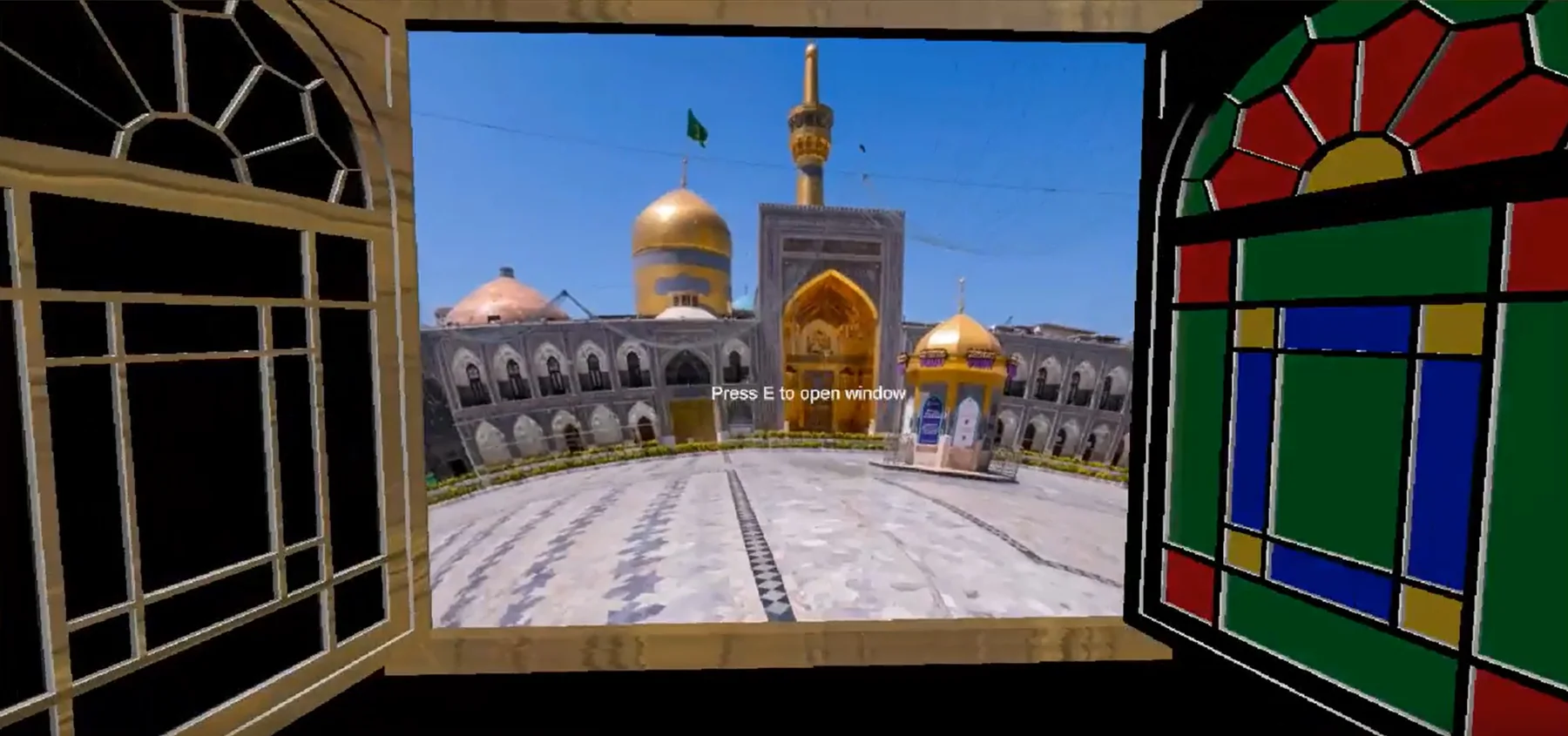
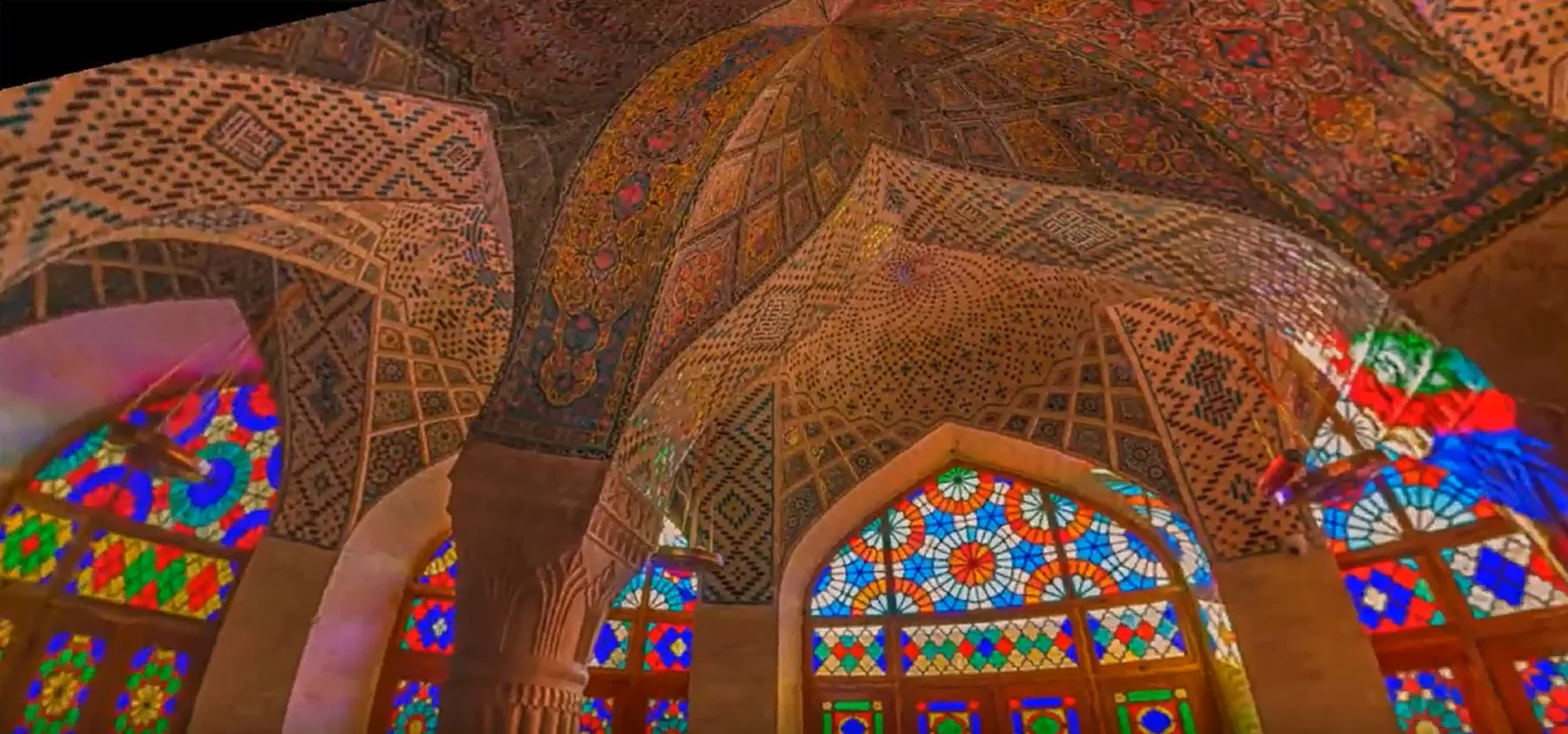
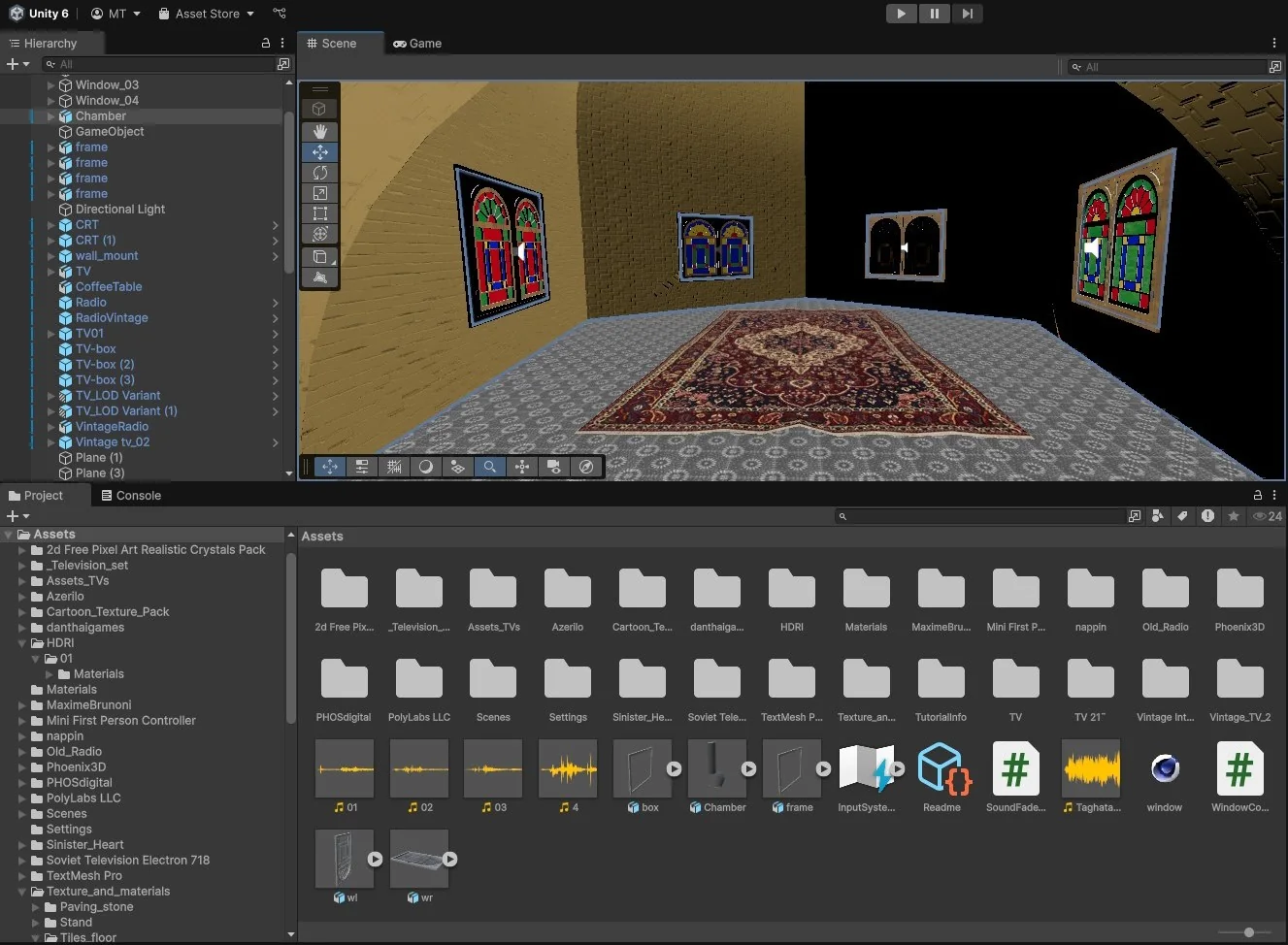
*Unframed Realities*,by [Mojammad Edalati Tabrizi](https://mohammadedalati.com/), is an interactive virtual reality (VR) experience designed to challenge media-driven cultural biases through immersive digital storytelling. Built using Unity and Cinema 4D, the project guides users through two stages: a dim media corridor with TVs amplifying biased American film and news clips, and a pentagonal room revealing 360-degree views of landmarks like Persepolis and Naqsh-e Jahan Square, accompanied by Persian music and ambient sounds. These stages contrast distorted portrayals with authentic narratives, using VR’s spatial audio and visuals to foster empathy.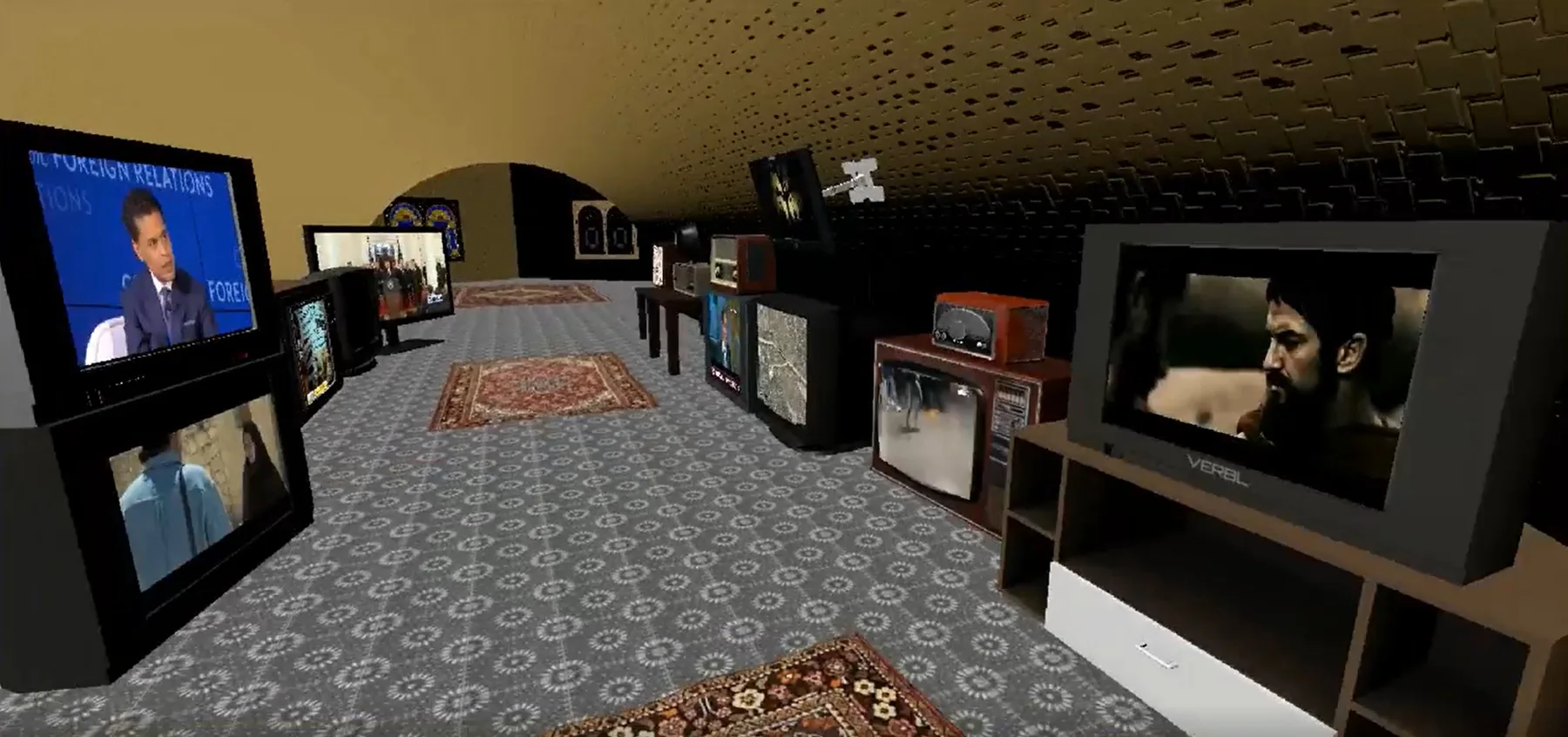
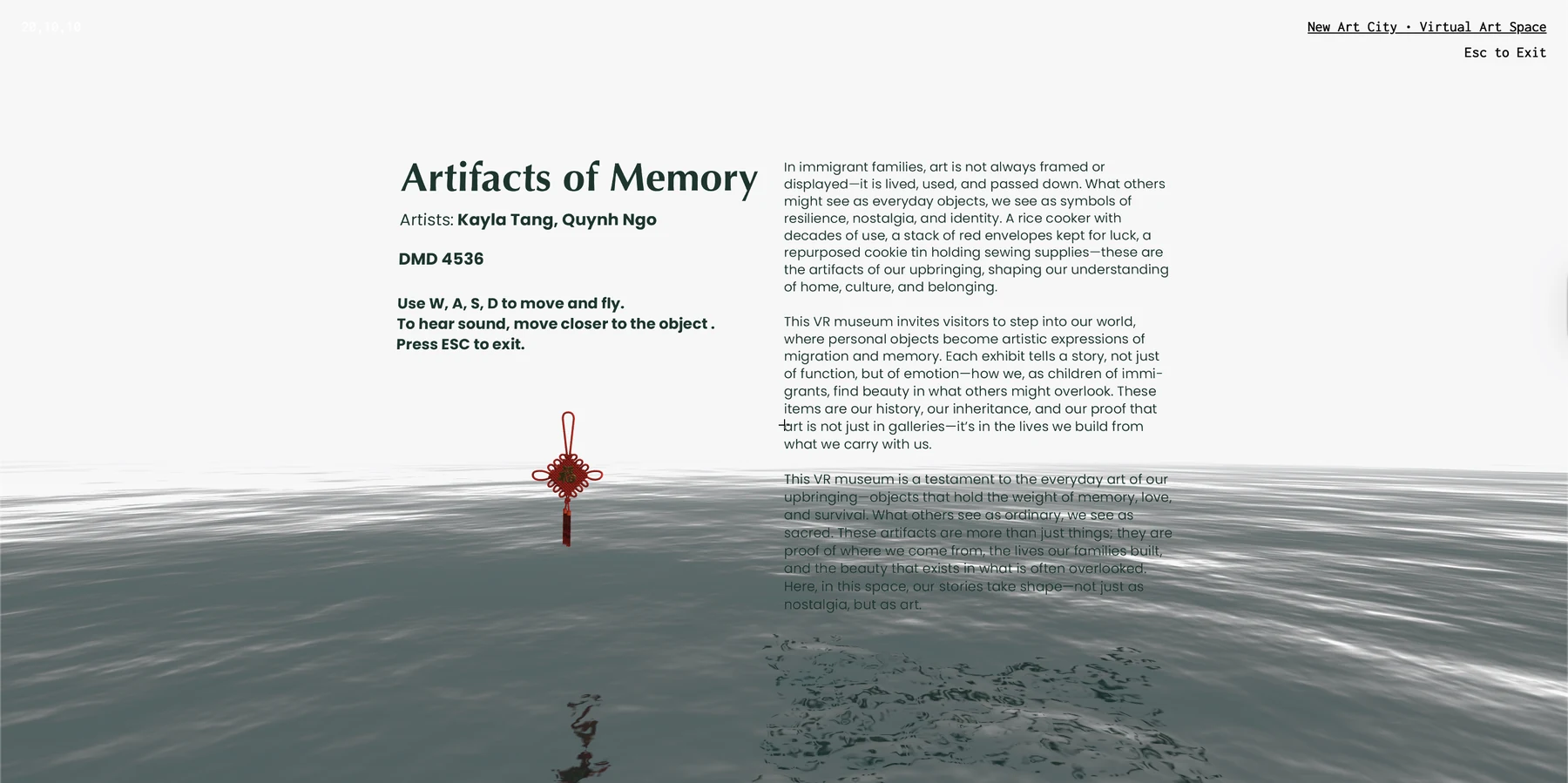
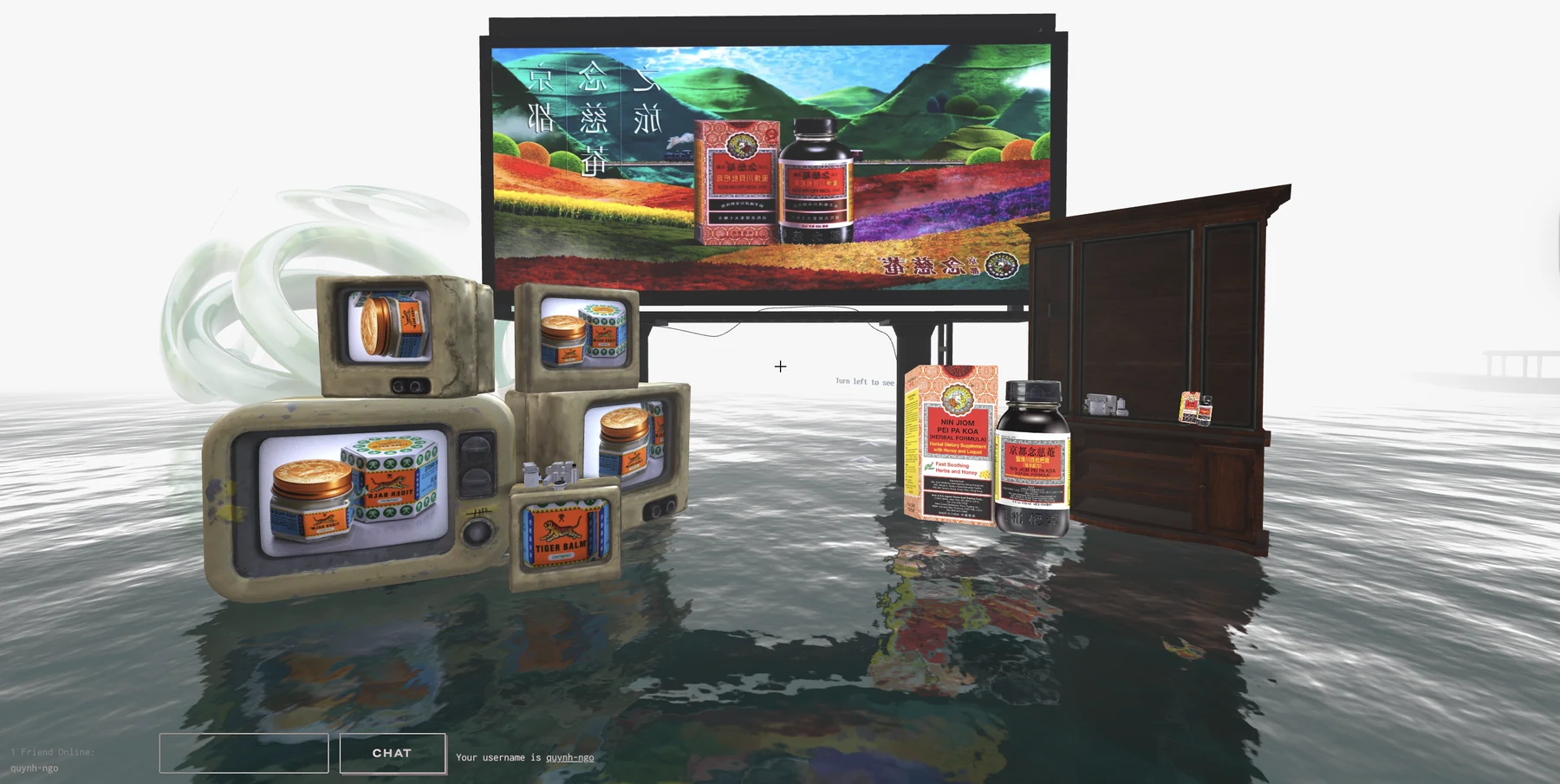
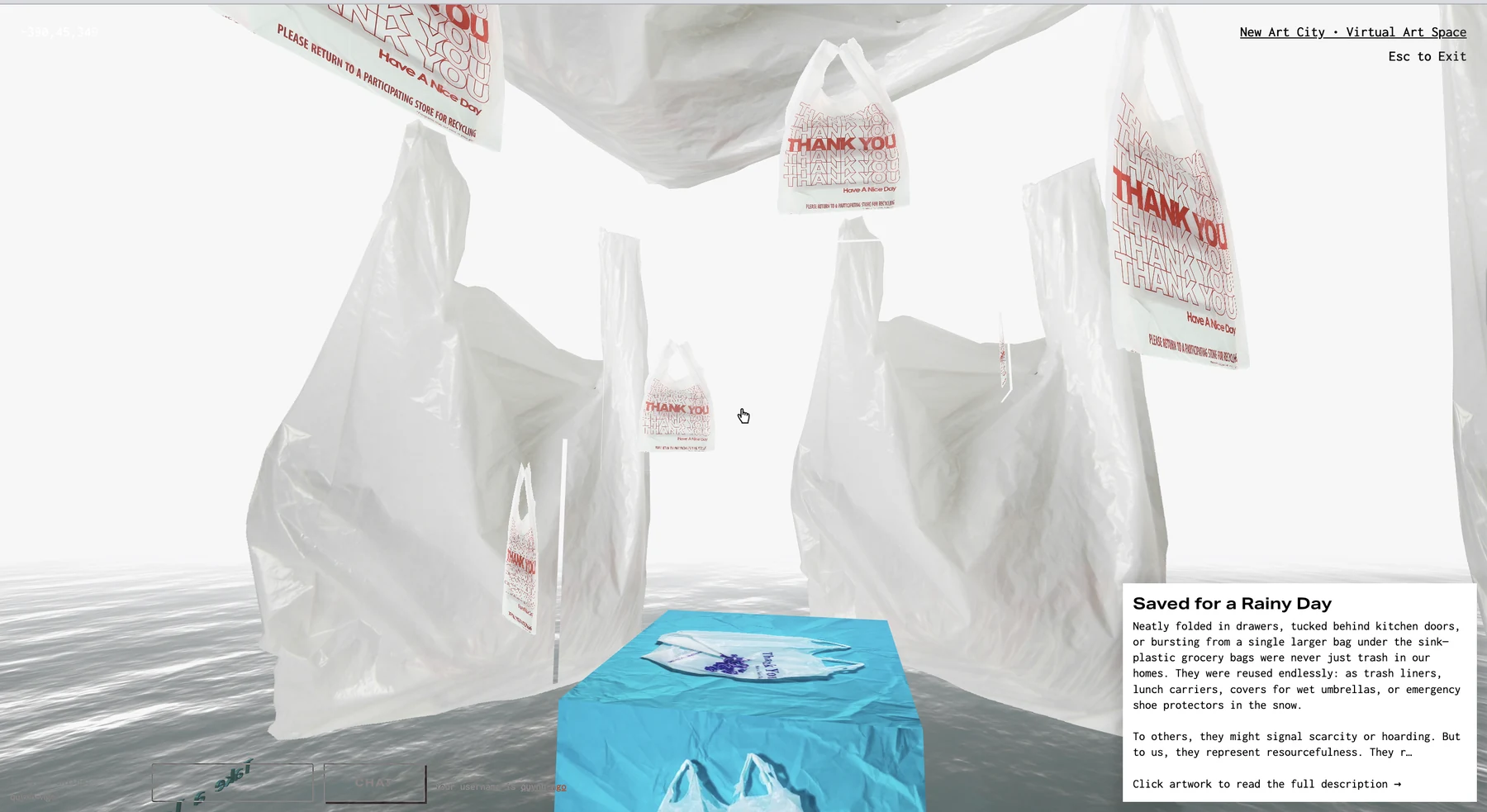
*Artifacts of Memory*, by [Kayla Tang](https://kaylatang.com/about) and [Quynh Ngo](https://quynhngo.com/about), is a VR museum that honors the everyday things that carry the memories, love, and struggles of the artists, both children of immigrants. In immigrant families, art isn’t framed—it’s lived, used, and passed down. Everyday objects become symbols of resilience, memory, and identity: tiger balm, a stack of red envelopes, a cookie tin of sewing supplies.
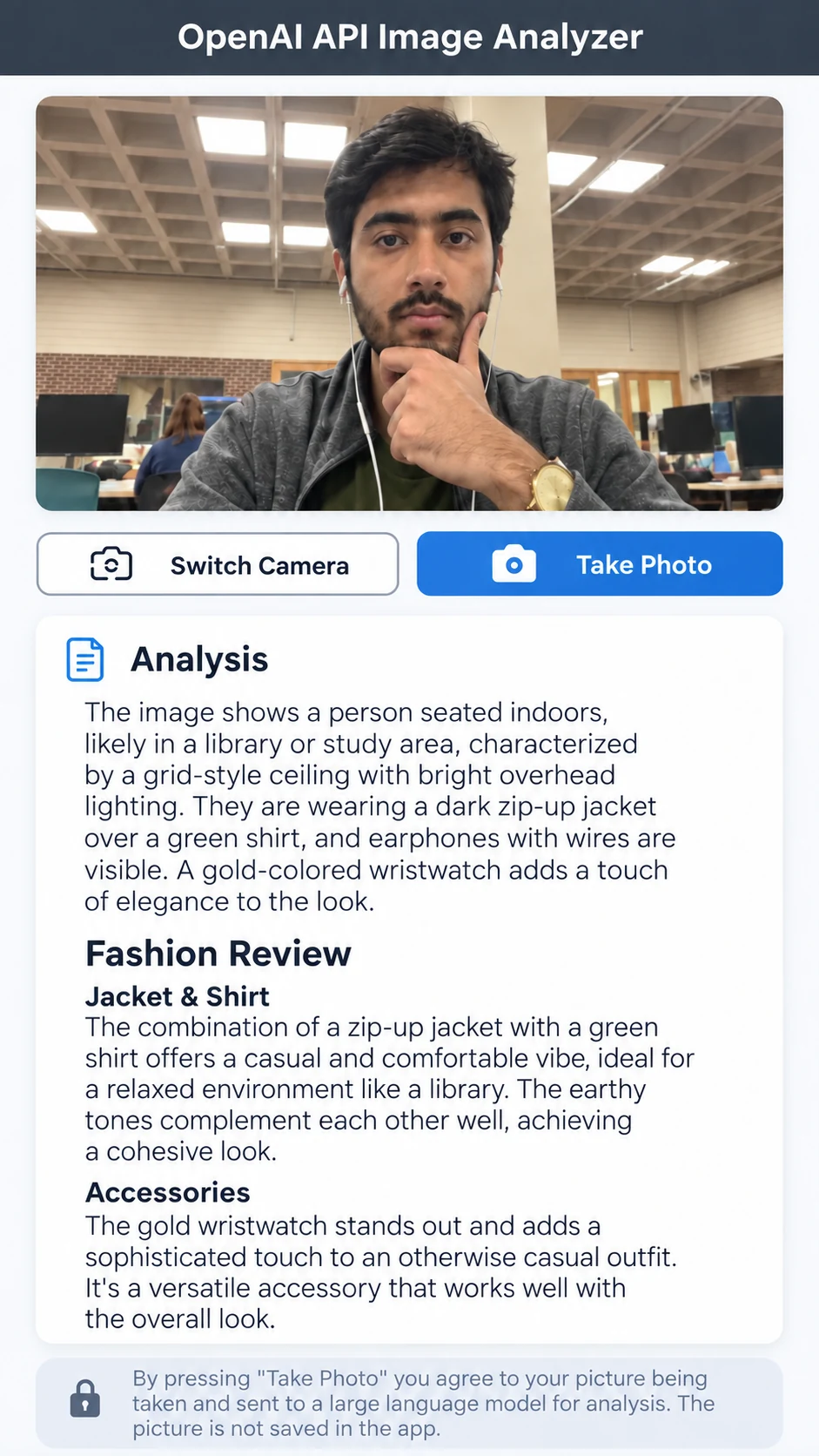
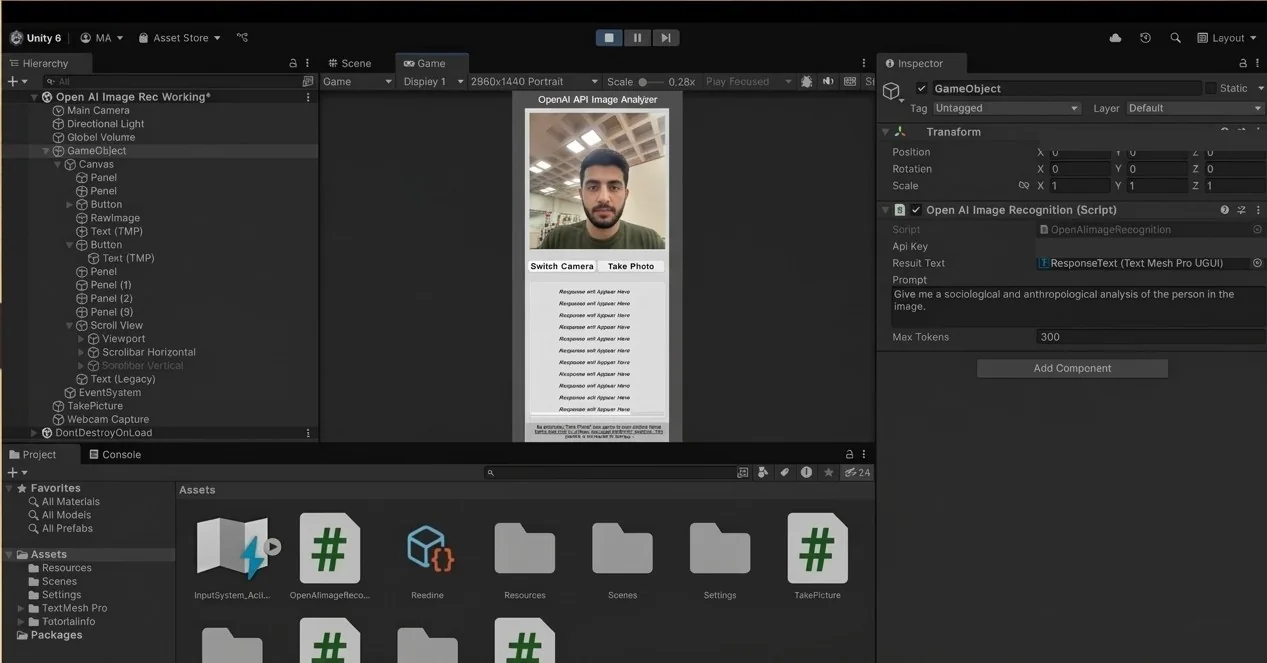
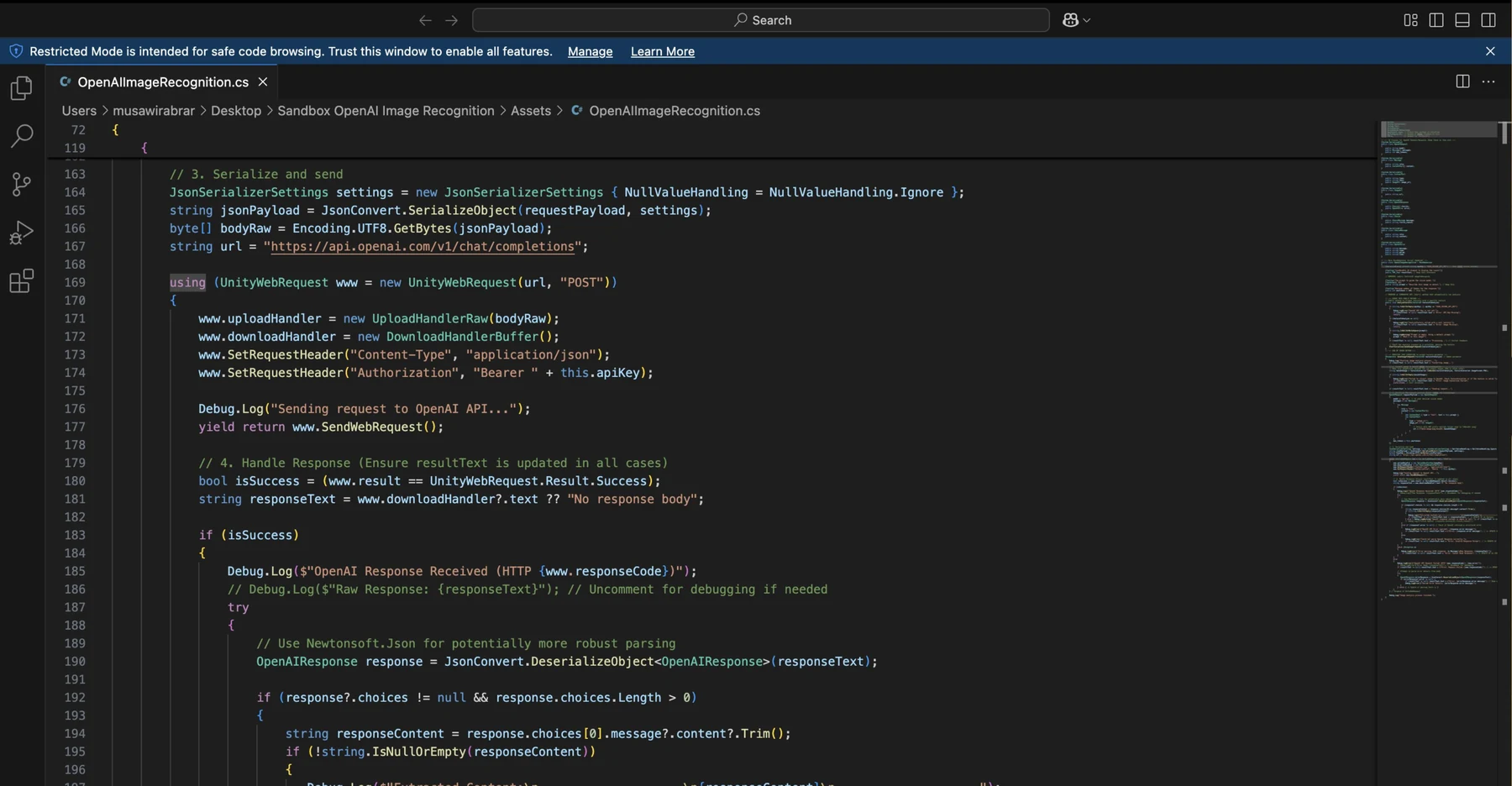
*AI Image Analyzer*, by [Musawir Abrar](https://dmd.uconn.edu/person/musawir-abrar/), is a mobile application which captures live images via webcam (Android front/back camera), sends the image to the OpenAI API (GPT-4o with Vision) for analysis, and displays the AI’s response back to the user in real-time. It explores the possibilities of integrated AI vision capabilities within a mobile application environment (Unity) and its potential uses.